Retinopathy can worsen fast
Especially if your sugar drops quickly or you already have moderate-to-severe retinopathy.

Before you start a GLP-1
GLP-1 drugs are transforming diabetes and weight management. They also affect the blood vessels in your retina and optic nerve — and almost nobody starting the medication is told to get a baseline eye check first.
GLP-1 receptor agonists work partly by rapidly correcting blood sugar. That rapid correction is exactly what can stress the retina. Two things can happen: existing diabetic retinopathy can worsen in the short term, and — rarely — a serious optic nerve event called NAION has been linked to GLP-1 use and is now flagged by European drug regulators as a recognised risk.
Especially if your sugar drops quickly or you already have moderate-to-severe retinopathy.
A sudden optic nerve event flagged in 2024–2025 studies and by EU pharmacovigilance review.
Neither is a reason to avoid GLP-1 therapy — for most people the metabolic benefits far outweigh the eye risk. They're a reason to have your retina documented before you start, so any change afterward is caught early instead of missed.
This isn't hidden on purpose. It's a gap between specialties.
The first few months on a GLP-1 are when blood sugar typically falls fastest — and that's the window where retinal blood vessels are most likely to leak fluid (macular oedema) or where existing retinopathy is most likely to progress. A follow-up dilated exam around 3 months in is what catches this while it's still treatable.
Get urgent care if you notice sudden vision loss or blurring in one eye (especially on waking), new floaters or flashes, a shadow across your vision, or distorted/wavy central vision. These need same-day attention, not a routine booking.
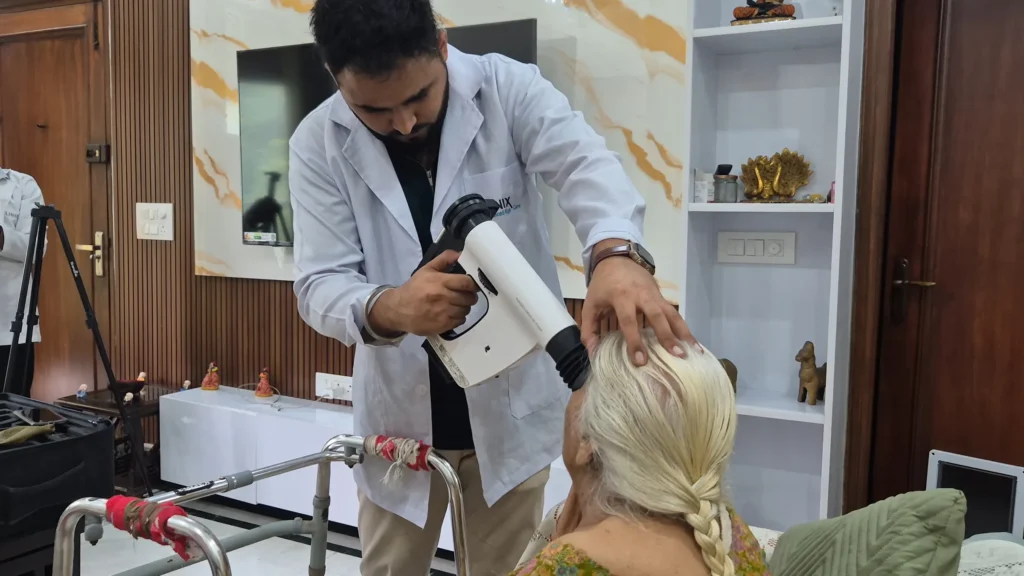
A dilated retinal exam at home, reviewed by an ophthalmologist, with a dated report you and your prescribing doctor can both reference.
The documented risk is highest in people with diabetes and existing retinopathy, but baseline screening is still sensible for anyone starting therapy, since a dated retinal record costs you nothing and protects you either way.
No — regulatory reviews describe it as rare. The point of a baseline isn't to alarm you; it's to make any future change easy to catch early.
Not worried — most prescribers focus on the metabolic side. This is simply a gap worth closing yourself.